English
The use of English is the foundation of all learning and is a core subject within the National Curriculum, its mastery is a pre-requisite for educational and social progress. We believe that it is the right of every child to become a competent and confident user of the English language; able to live, work and succeed in a literate world. We believe in developing language rich environment that enables children to meet or exceed their potential and become confident lifelong learners. The acquisition and use of English is an integral part of the learning process which begins long before children come to school and emphasis should be placed on continuing this learning in school. It empowers the learner and is essential for independent learning, communicating creatively and imaginatively as well as actively engaging with the world at large in aspects of everyday life. We aim to equip our children with the skills, knowledge and experiences they need to use language effectively.
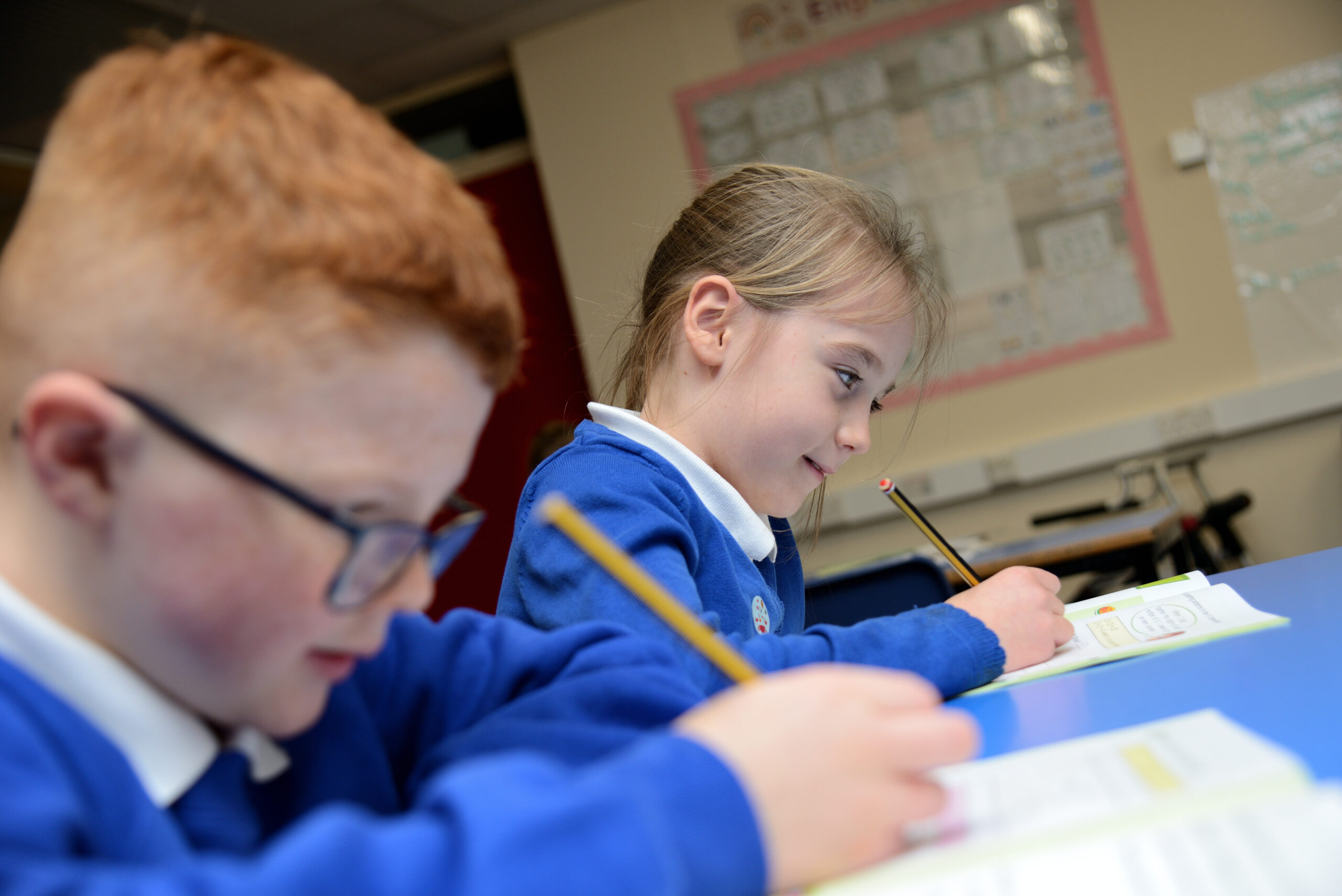
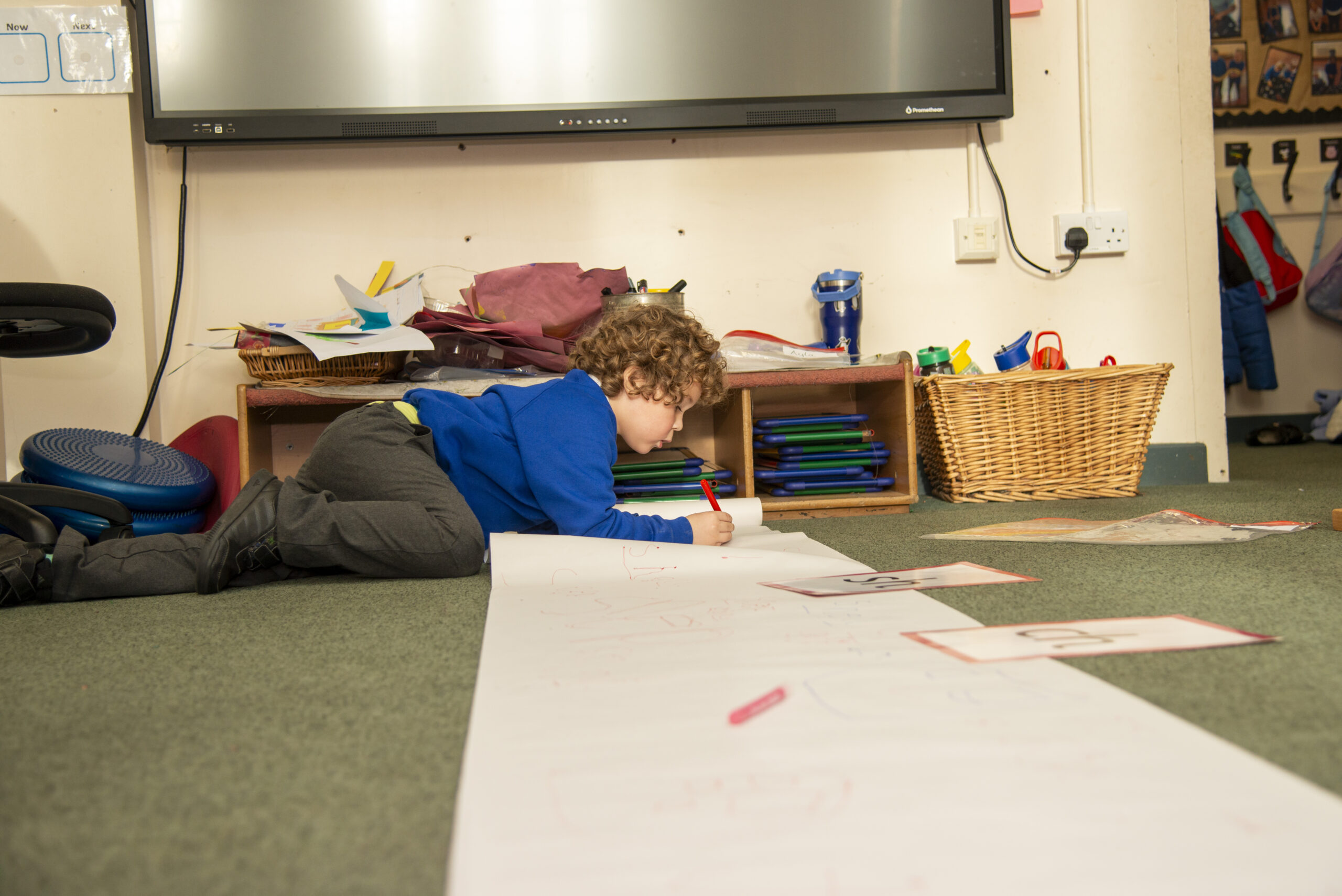
Leadgate Primary School aims to develop pupils’ skills in reading, writing, speaking and listening. By the time that pupils move on from our school, our aim is for them to:
- Be fluent readers and writers
- Have a positive attitude towards books and reading, reading widely for pleasure and information
- Enjoy writing in different contexts and for different purposes and audiences
- Write clearly, accurately and coherently, adapting language and style accordingly
- Be curious and creative when it comes to reading and writing – for example, by being interested in learning the meaning of new words
- Have a wide vocabulary and understanding of grammar
- Feel confident speaking in class and be able to clearly explain their understanding and ideas
- Listen carefully and sensitively to adults and their peers
Progression of Writing Skills
Handwriting
At Leadgate Primary School, we are committed to developing fluent, legible and confident handwriting from the earliest stages of learning.
Early Years Foundation Stage and Year 1
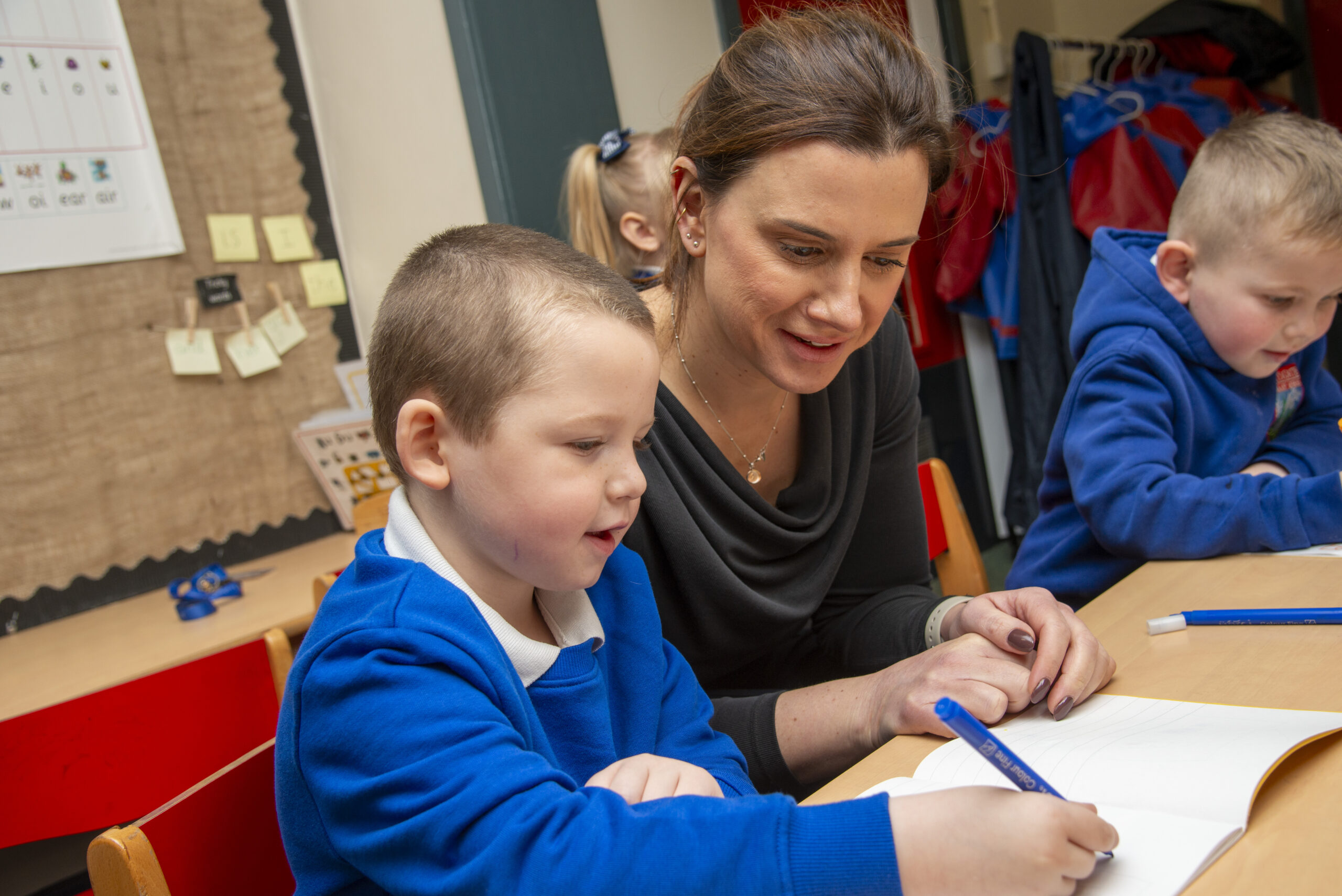
In Reception and Year 1, handwriting is taught through the Little Wandle Handwriting Programme, alongside Little Wandle Letters and Sounds Revised. The programme provides a structured and carefully sequenced approach to teaching letter formation, ensuring children develop the foundations of handwriting from the very beginning.
Lessons are closely linked to children’s growing phonic knowledge and use the familiar Little Wandle mnemonics to help children make clear connections between reading, phonics and writing. Children are explicitly taught correct letter formation, pencil grip, posture and orientation of letters, enabling them to develop accuracy, confidence and fluency.
Key Stage 1 and Key Stage 2
From Year 2 onwards, children follow the Letter-join Handwriting Programme. They begin to learn the diagonal and horizontal strokes needed to join letters and gradually develop a neat, fluent and joined handwriting style.
As pupils progress through Key Stage 2, Letter-join supports them in improving the consistency, speed and presentation of their handwriting. Regular practice helps children to develop automaticity so that they can focus on the content of their writing while maintaining high standards of presentation. Handwriting skills are applied across the curriculum, promoting pride in work and supporting pupils to communicate effectively in all subjects.
Our aim is for all pupils to develop handwriting that is accurate, fluent, legible and presented with pride, enabling them to become confident and successful writers.